The Stop Shackling Patients Coalition is a task force and learning collaborative of health professionals, human rights advocates, and policymakers driven to raise the quality of care provided to incarcerated individuals by bringing an end to universal shackling. Led by medical students and Human Rights professors from the Boston University Schools of Medicine & Public Health, our membership spans the nation.
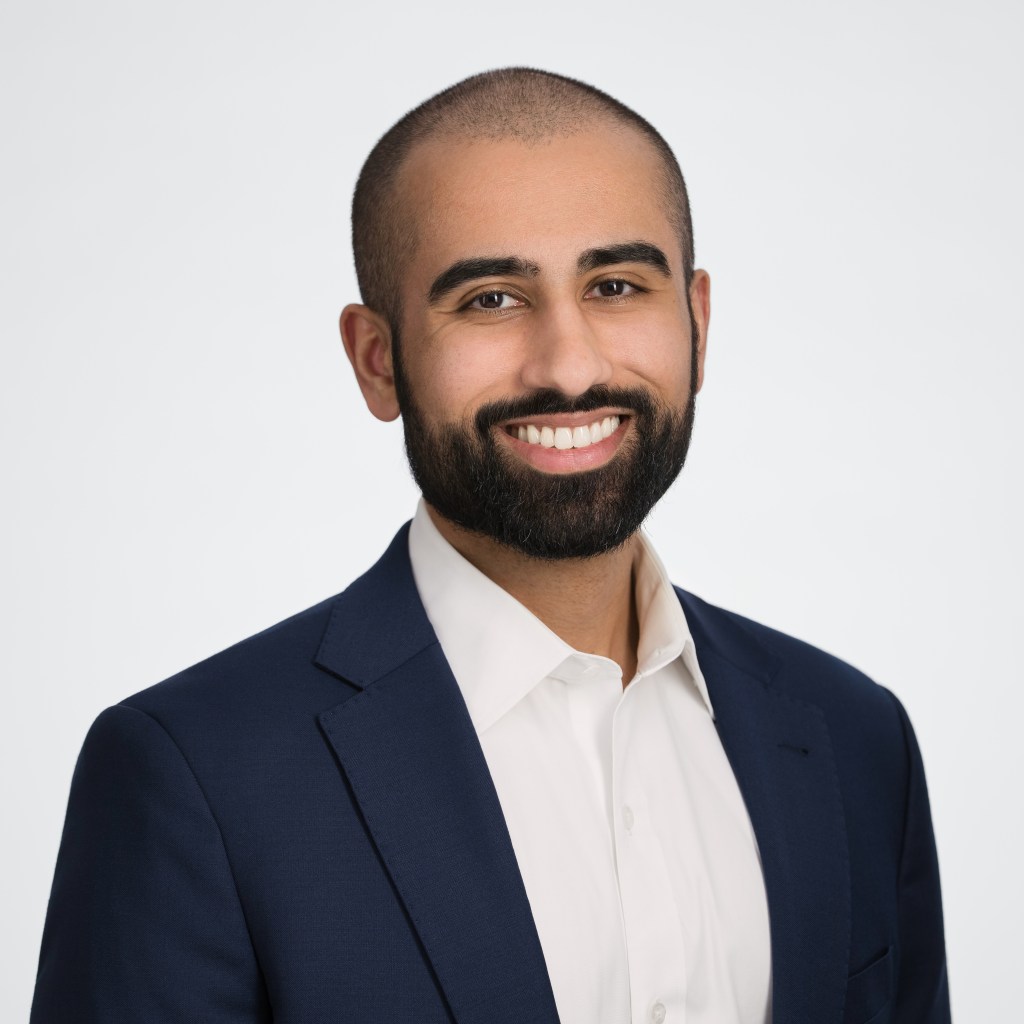
Neil Singh Bedi, MPH, Founder & Director of the SSP Coalition
Neil Singh is a medical student at the Boston University School of Medicine. His research and advocacy efforts focus at the intersection of public health and clinical care – with a vision to make health systems more sustainable, effective, and equitable.
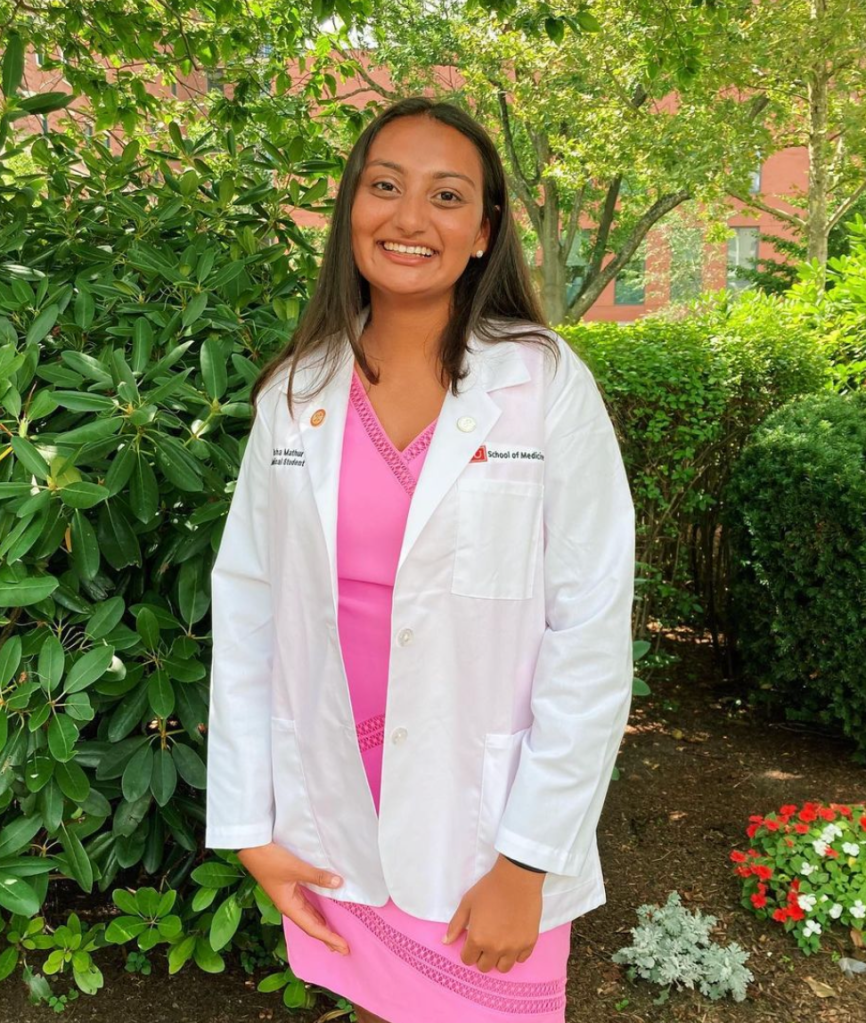
Nisha Mathur, MD, Director of the SSP Coalition
Dr. Mathur is an internal medicine resident at NYU in New York City. She is a graduate of the Boston University School of Medicine. Dr. Mathur hopes to draw on her experience working with medically underserved populations in the Greater Boston Area to improve medical care policy and practice.
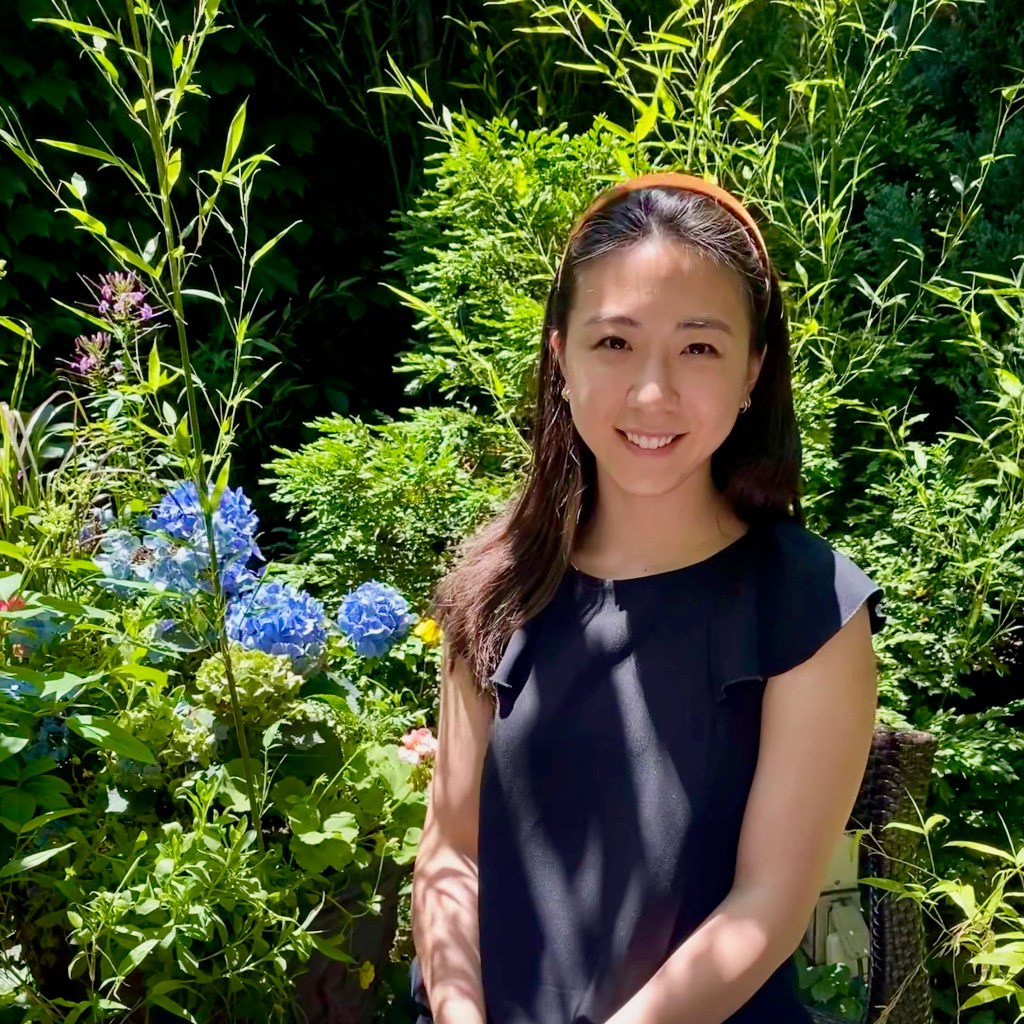
Judy D. Wang, MD, MS Director of the SSP Coalition
Dr. Wang is an emergency medicine resident in NYC at NewYork-Presbyterian Hospital. She is passionate about delivering human-centered medical care and reducing moral injury to health care workers. She hopes to leverage her experience to modernize entrenched health care practices to make them more equitable.

Sondra Crosby, MD, Mentor & Advisor of the SSP
Dr. Crosby is a medical doctor and Professor of Medicine at Boston University, specializing in internal medicine. She is also a faculty member of the Health Law, Bioethics, and Human Rights department at Boston University School of Public Health.
Dr. Crosby is notable for being one of the first doctors allowed to travel to Guantanamo to independently examine Guantanamo captives. She is also notable for serving as the director of medical care at the Boston Center for Refugee Health and Human Rights. She examined over 300 torture victims at the Center.
Dr. Crosby is one of the authors of Broken Laws, Broken Lives: Medical Evidence of Torture by the US, published by Physicians for Human Rights. According to Physicians for Human Rights, Dr. Crosby has “written over 200 affidavits documenting medical and psychological sequelae of torture.”
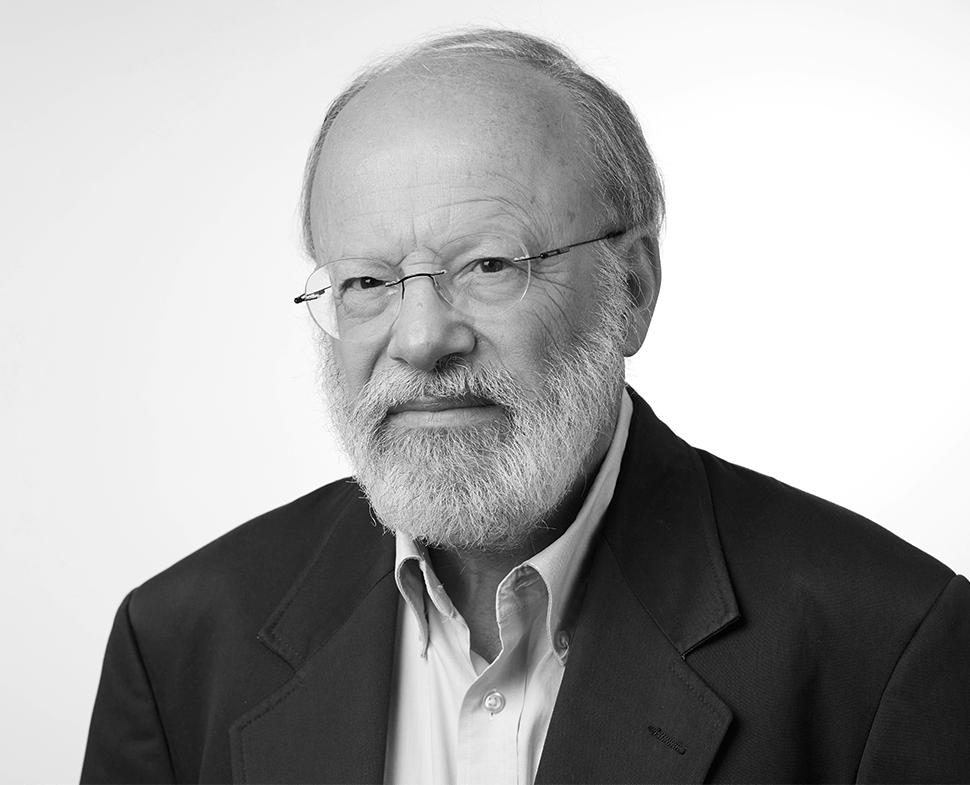
George Annas, JD, MPH in memoriam
Mentor & Advisor of the SSP
George J. Annas was the William Fairfield Warren Distinguished Professor at Boston University and Director of the Center for Health Law, Ethics & Human Rights at Boston University School of Public Health, and a member of the Department of Health Law, Policy and Management at the School of Public Health. He was also a Professor at the School of Law and the School of Medicine. He served as a mentor to the SSP and remains an inspiration for the ongoing efforts to defend the human rights of patients everywhere.
SSP Coalition Collaborators
SCOPES & SHIELDS is an organization aimed at empowering health care workers to protect and advocate for their patients who are in law enforcement custody or involved in the criminal justice system. SSP is collaborating with its team to develop resources so that individuals within health systems can implement the SSP Generalizable Policy at their own institutions.
SSP Coalition Members
ANNE BECKETT, MD, MPH
Boston Medical Center, Boston University School of Medicine
CAITLIN FARRELL, DO, MPH
Boston Medical Center
“Incarceration is a personal issue for me, but the prison industrial complex touches countless individuals and communities. As physicians, it is our duty to promote health and advocate for our patients. Incarcerated patients deserve the same care as all other patients, and we must do whatever we can to ensure that reality.”
DEB GOLDFARB, LICSW
Director of Behavioral Health, Population Health, Boston Medical Center, Boston University School of Social Work
“Shackling is fundamentally in conflict with our mission to provide ethical, humane, and anti-oppressive healthcare services to everyone who enters our hospital.”
GHULAM KARIM KHAN, MD
Boston Medical Center, Boston University
“I work at the intersection of infectious diseases, addiction medicine, and homelessness. My patients are directly affected by these issues.“
ROB KOROBKIN
Courage House (Gorham, ME), Boston University School of Public Health
“I live in rural Maine where I oversee six houses (around 60 beds) of recovery housing across the state for recently incarcerated people. Every day, I hear horror stories about the ways that incarcerated people and other justice-involved members of our communities are being treated by our medical institutions. Ending shackling nationally is a logical and compassionate next step toward building systems of care that will better adhere to international human rights standards and will better serve the medical needs of those patients.“
COLLEEN LABELLE, MSN, RN-BC, CARN
Boston Medical Center, Boston University
“Everyone has the right to care that is dignified, patient-centered, and individualized. Healthcare that is evidence-based and specific to the patient’s needs while ensuring safety to the healthcare providers. The automatic ‘shackling’ of a patient, because this person is under the care of corrections, criminalizes medical care, we need to treat each person individually utilizing patient-centered care, and clinical judgment instead of a knee-jerk response based on outdated policies.”
JORDANA LAKS, MD, MPH
Boston Medical Center, Boston Health Care for the Homeless Program
“Every person deserves to receive health care in a way that is safe, compassionate and respects their dignity. Shackling patients is inhumane.”
ADA LIN, JD
Legal Fellow, Prisoners’ Legal Services of Massachusetts
“Individuals who are incarcerated should be afforded the humanity and compassion that everyone deserves when seriously ill or facing the end of their lives.”
NICOLE MUSHERO, MD, PhD
Assistant Professor of Medicine, Boston University School of Medicine
“Fannie Lou Hamer said it best: “None of us are free until all of us are free.” We cannot provide equitable, justice focused healthcare until all of our patients are able to participate in their own care. One important focus is the cessation of universal shackling of incarcerated or detained patients.”
NICOLE MYATT, MSN, RN
MCPHS University, Boston Medical Center
“Human rights, and health equity are central to nursing ethics and my own professional philosophy. Compassionate shackle release is an important policy that aligns with these values and advances end -of- life dignity and prisoner rights.“
PEGGY NEWMAN, MEd, BCC
Brigham and Women’s Hospital, Retired Chaplain of the MA Department of Corrections
“I worked in prisons for many years and witnessed many different kinds of abuse. The medical care, policies governing medical care, shackling, oversight of privatized medical care, the inadequacy of the grievance process for inmates when medical care has not been provided or has been inadequate, the vendor not filling prescriptions, and delays in filling prescriptions written by doctors, are some examples of my concerns.”
AMEN SERGEW, MD
Division of Pulmonary Science and Critical Care Medicine at the University of Colorado
“It’s an important way to make a difference”
ALLISON SMITH, MA
Mystic Seaport Museum
“My late dad was a victim of these practices. No person should be reduced to this level and no family should have to live with it for the rest of their lives.”
JAKE SONNENBERG, JD
UCSF School of Medicine
“Healthcare spaces cannot be truly healing if patients wear badges of policing and mass incarceration while receiving care.”
NANCY STREET, SCD, NP-BC, FAAN
MCPHS, American Academy of Nursing
“Health care as a human right incorporates the core aspect of respecting the dignity of all without distinction. As a nurse, I endorse this effort to ensure safe, humane, and compassionate care to incarcerated patients throughout their hospitalization and beyond.”
MAGGIE SULLIVAN, FNP-BC, DRPH
FXB Center for Health & Human Rights, Harvard University
“Nobody should die or deliver a baby while shackled.”
BRIE WILLIAMS, MD, MS
University of California San Francisco, Amend @ UCSF
“As a physician, I believe our profession has a moral obligation to help address the dehumanizing conditions that exist within U.S. prisons which perpetuate trauma, violence, and health inequities among both prison residents and staff.”
 Stop Shackling Patients